When an international buyer looks for a villa in Mallorca, the conversation almost always ends at the same fork: the southwest —Port d'Andratx, Camp de Mar, Santa Ponça, Bendinat— or the north, with Alcúdia and its bay. They are two islands within the island, and choosing wrong shows not at signing but in the third summer. This comparison is not trying to make the north win: it is trying to make sure you know what you are buying in each place.
Two coasts, two characters
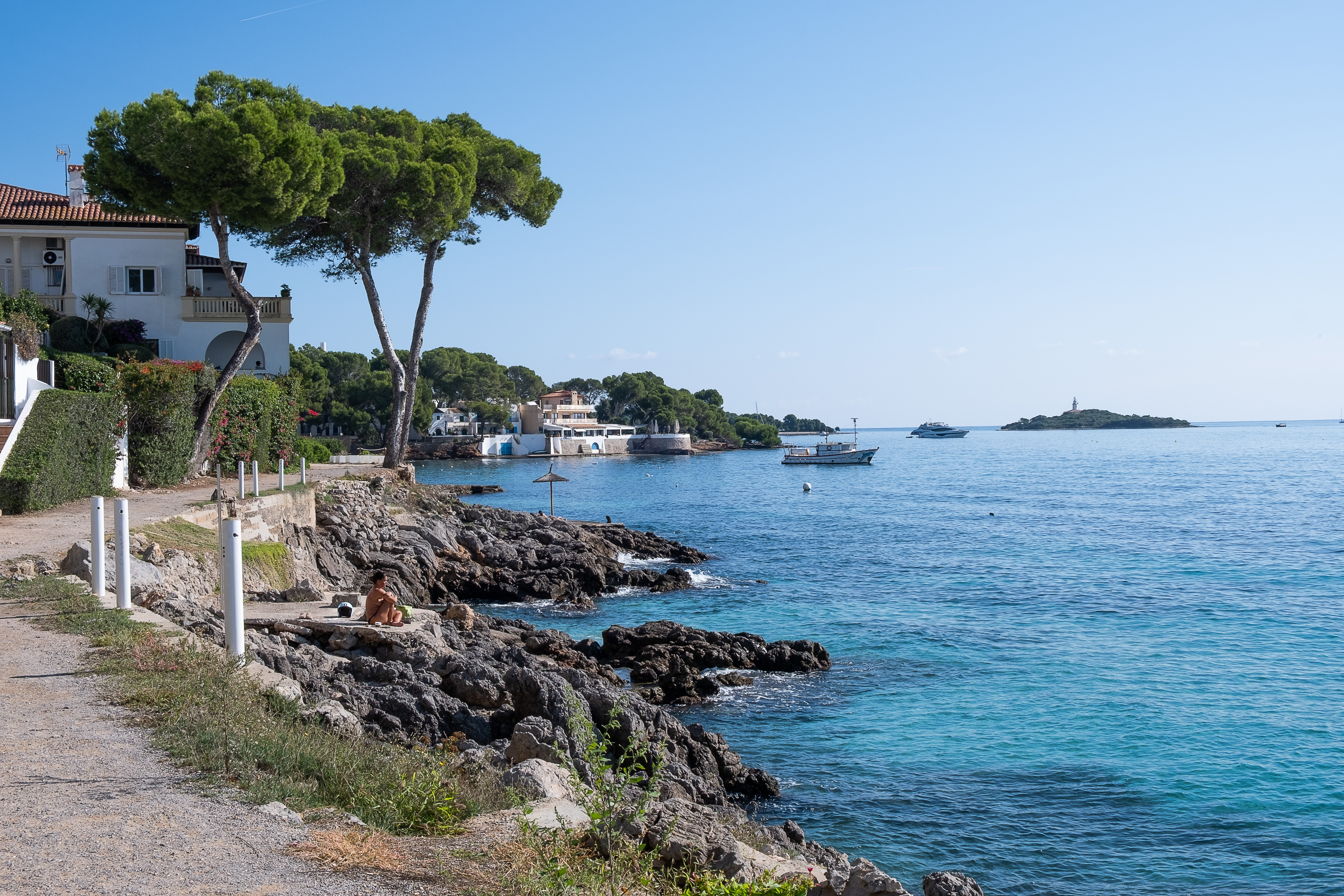
- Southwest: a rocky coast of coves, the island's flagship marinas (Puerto Portals, Port Adriano, Port d'Andratx), a high density of luxury villas and Mallorca's most touristic municipality, Calvià. It faces west: sunsets over the sea.
- North: a sandy bay more than ten kilometres long, a walled old town, the S'Albufera nature reserve and the Tramuntana mountains on the doorstep. It faces east: sunrises over the sea and sunsets over the mountains.
Price: what the same budget buys
- Port d'Andratx has the most expensive square metres in Mallorca: sea-view villas there command prices found nowhere else on the island.
- Santa Ponça and Bendinat: below Andratx, but still expensive areas, especially on the front line or with views.
- Alcúdia, Alcanada and Mal Pas: clearly more affordable for a quality villa with views, and more so on the second line.
- In short: for comparable product, the southwest costs considerably more per metre than the north. For the same budget, Alcúdia buys more house, more plot and more view. And quality new-build, scarce in the southwest for lack of land, is still possible here.
Within each area, price depends heavily on plot, orientation and the condition of the house: two villas on the same street can be worlds apart.
Beach and sea
- Southwest: small coves, many of them rocky, and two or three sandy beaches (Santa Ponça, Camp de Mar, Peguera). In August, too few for so many people. The sea, on the other hand, is a sailor's sea: sheltered anchorages and marinas that can berth a large yacht.
- North: the beach of Alcúdia and Muro is the island's largest, fine sand and a gentle seabed, ideal for children. Further north, the residents' coves: Sant Joan, Sant Pere, Es Coll Baix. For the boat, Alcudiamar and Bonaire, smaller than the southwest's marinas but with the whole bay to sail.
Airport and distances
- Santa Ponça: 25-30 minutes from Palma airport. Port d'Andratx: 35-40.
- Alcúdia: 45-55 minutes by motorway. It is the most tangible difference, and the one that weighs most on anyone flying in every fortnight.
- Palma city: 15-25 minutes from the southwest; 40-45 from Alcúdia.
- In exchange, the north has Pollença, Sóller and the Tramuntana within reach, and a whole side of the island less saturated with summer traffic. We detail it in real travel times.
Climate and wind
- Southwest: the Serra shelters it from the Tramuntana. Slightly milder, less windy winters; hotter summer afternoons, because the westering sun hits head-on.
- North: takes the Tramuntana full on for a handful of days a year, mostly from November to March. In summer the embat comes in off the sea every afternoon and makes nights cooler than in the southwest. East-facing villas get morning sun and afternoon shade: in July you are grateful for it.
Services, schools and daily life
- International schools: here the southwest wins clearly. Calvià and its surroundings hold the island's largest concentration. In the north there are options in Sa Pobla and Palma, but with more driving involved. We cover it in schools and family life in the north.
- Private healthcare: both areas have a private hospital nearby; the reference hospitals are in Palma for everyone.
- Restaurants and leisure: the southwest has more high-end options and more nightlife around Portals. The north has a real town, a market twice a week and a produce-led food scene with less showcase.
- Golf: the southwest has several courses (Santa Ponça, Andratx, Bendinat). The north has one, Alcanada, but it ranks among the best in Spain and is played facing the sea.
Winter, which is where it's decided
- Southwest: Portals and Santa Ponça stay active all year thanks to Palma's proximity and a large resident community. Port d'Andratx, by contrast, goes fairly quiet between November and March.
- North: Port d'Alcúdia slows right down out of season. Alcúdia's old town does not: it lives off its residents, not its tourists. Anyone looking for an authentic Mediterranean town in January finds it here.
Who each area is for
- Southwest, if: the airport half an hour away is non-negotiable, you have children of international-school age, you want sunsets over the sea and budget is not the deciding variable.
- North, if: you value sandy beaches and space, want more house for the same money, like a town that is alive in winter, and prefer mountains and nature to marinas and showcase.
And within the north, choosing between Alcúdia, Pollença and Muro has its own nuances; we compare them in where to buy in northern Mallorca.
Conclusion
The southwest is the choice of those buying proximity, marinas and a ready-made social life, and paying for it. The north is the choice of those buying space, sand, authenticity and a price that still leaves margin. Neither is better; only one is yours. The way to find out is not an article: it is a week in February in each place.
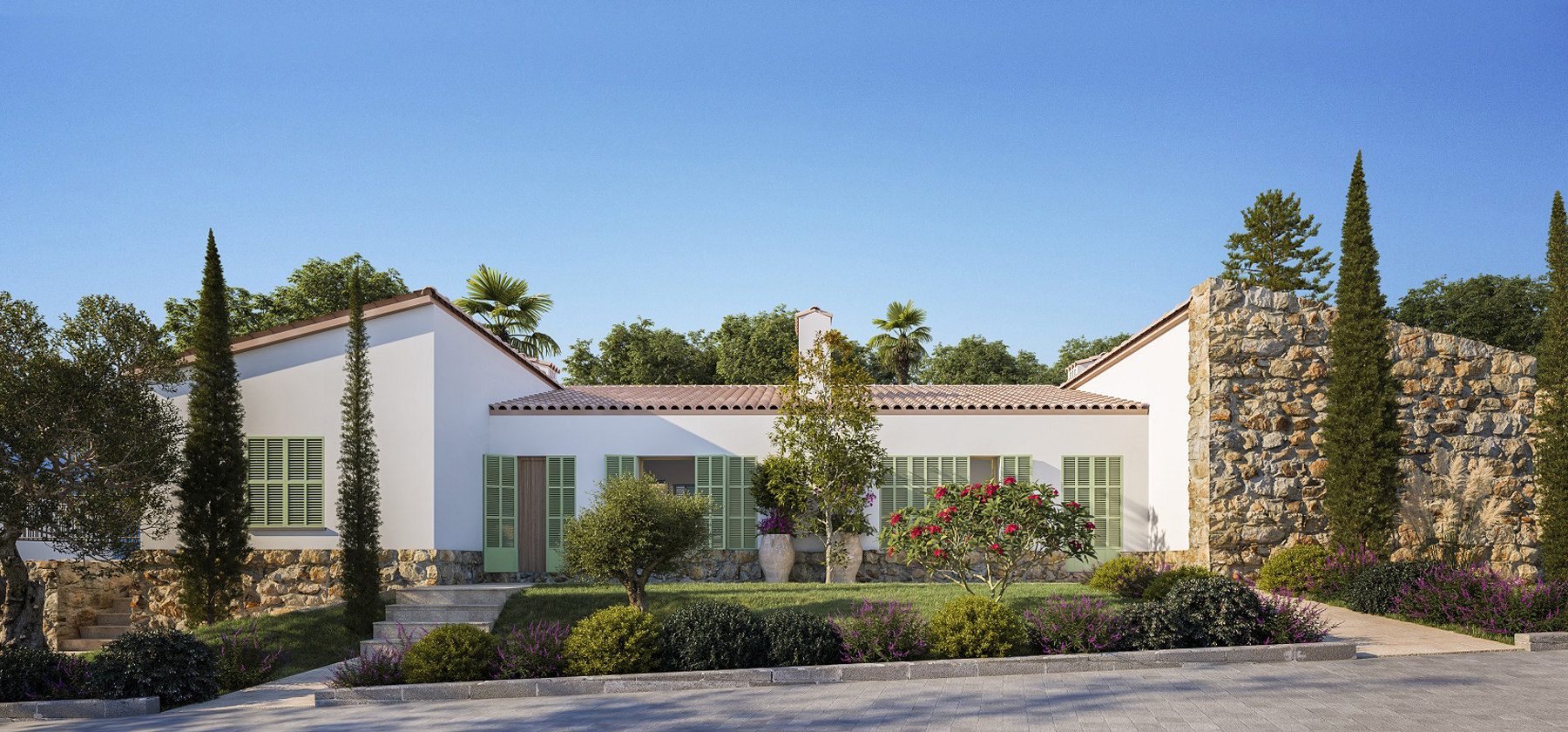
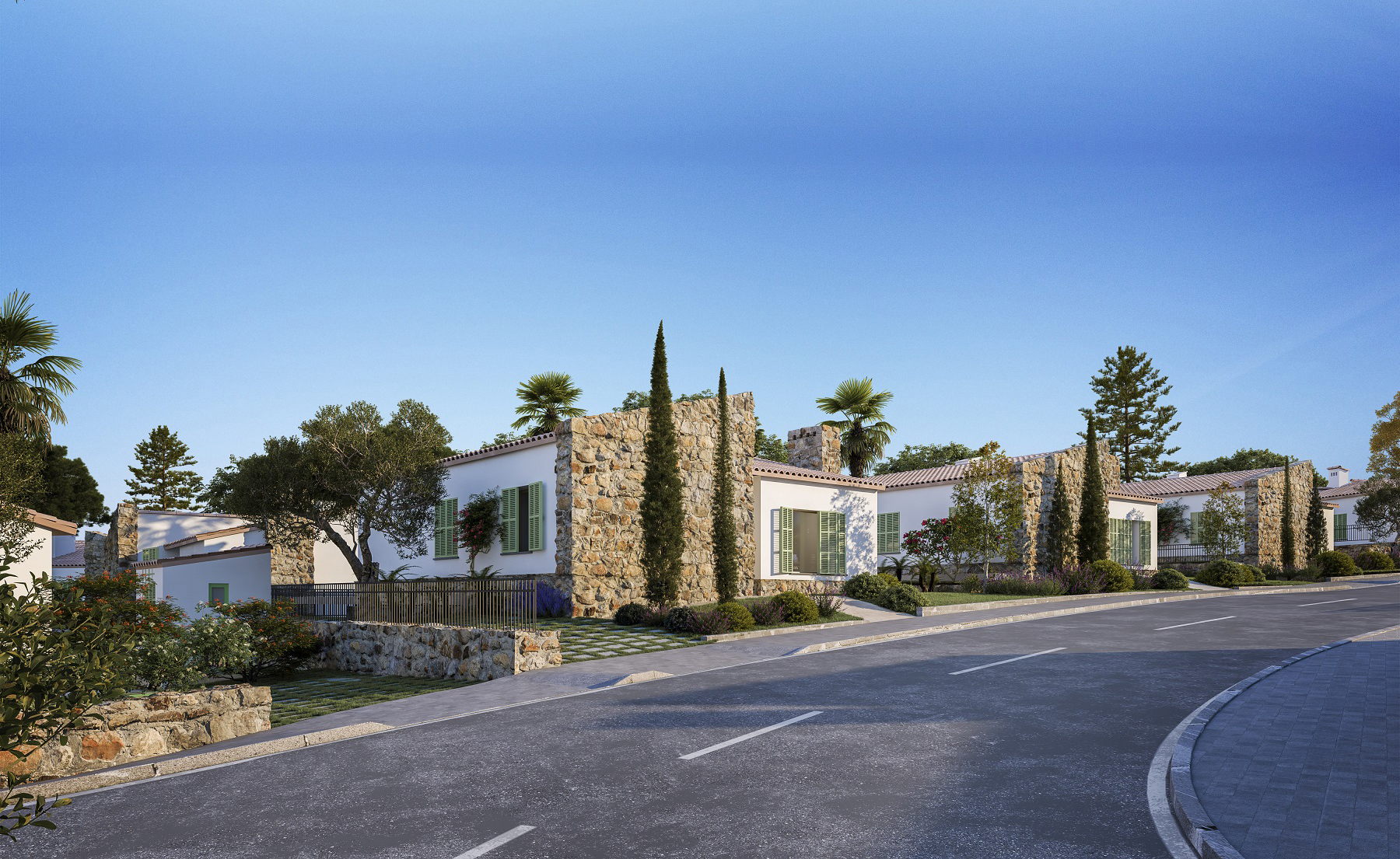
Interested in Alcudia Luz?
Alcudia Luz is signature new-build in Alcanada, five minutes from the beach and the golf course. If you are torn between north and southwest, come and see the real north.