Every year thousands of people search for "living in Alcúdia" and find holiday brochures. This guide is the opposite: what a resident tells a friend who is seriously considering it. What Alcúdia is beyond the beach, what each season is like, which costs to plan for, where to live, what services there are and what nobody mentions until you have already signed. Each section links to a more detailed guide.
What Alcúdia is, in two paragraphs
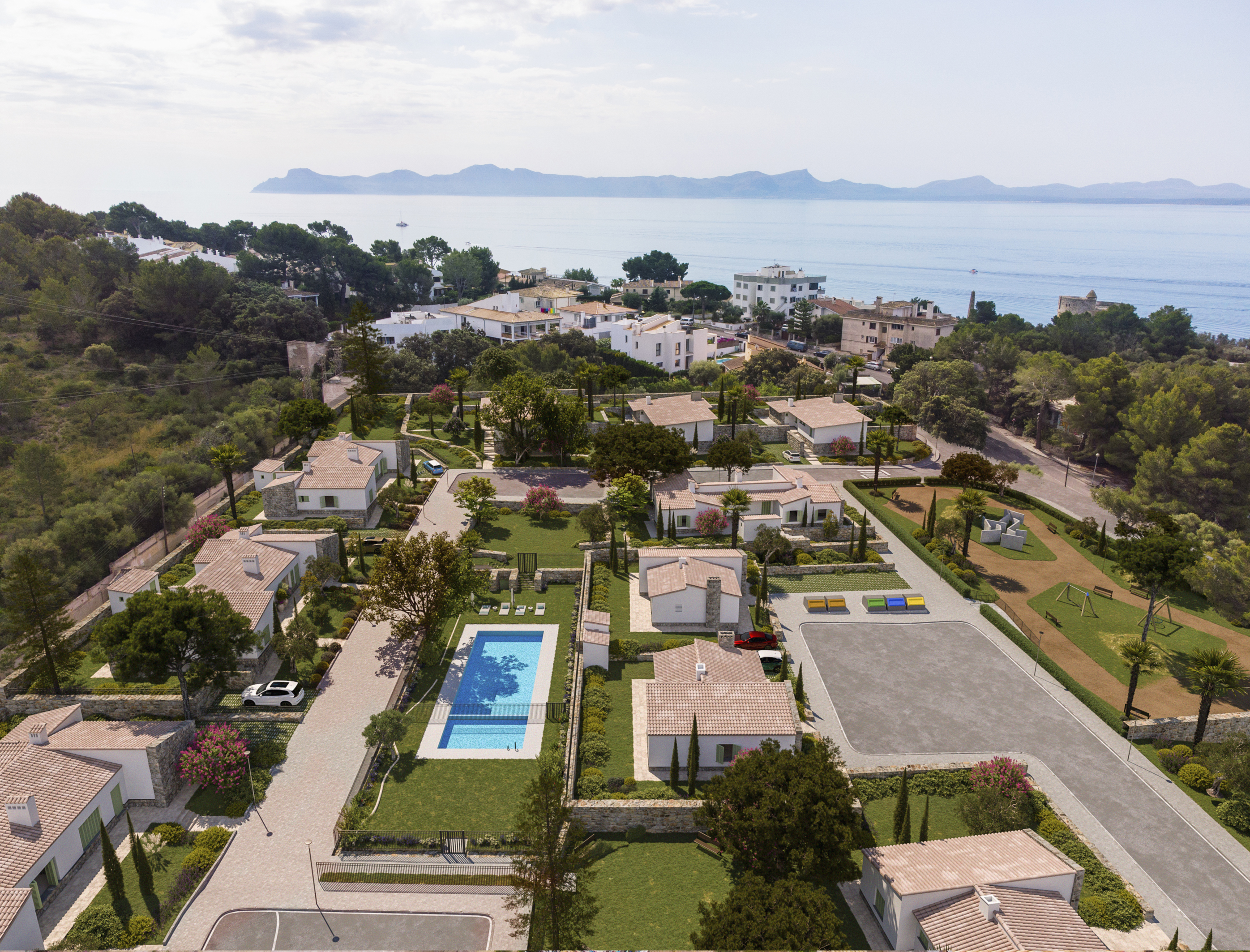
A municipality of around 20,000 people at the northern tip of Mallorca, between two bays. It has a walled old town of narrow streets, a market and a life of its own; a harbour, Port d'Alcúdia, with the marina and the long beach; and a wild peninsula, La Victoria, with the residential areas of Mal Pas, Bonaire and Alcanada. Fifteen minutes away, Pollença; fifty, Palma and the airport.
What sets it apart from other places on the island is the mix: a real town, ten kilometres of sandy beach, a nature reserve, a seaside golf course and the Tramuntana mountains in view. It is neither Mallorca's most exclusive area nor its cheapest; for many, it is the most balanced.
What each season is like
- Summer (June-September): 28-31 °C, sea at 25 °C, a breeze every afternoon. The Port fills with tourists; the residential areas do not. Life is lived outdoors.
- Autumn (October-November): the sea is still 22 °C and the island belongs again to the people who live on it. It is when it rains most, in short storms.
- Winter (December-February): 8-16 °C, sun most days, the odd Tramuntana episode. The town keeps going; the Port slows down.
- Spring (March-May): for many, the best of the year. Terraces, cycling, almond blossom and S'Albufera in migration.
Month-by-month figures, with rain and wind, in the best areas to live year-round and in our climate guide.
Where to live
- Alcanada: by the golf course and the sea, quiet, with views of the bay and Pollença. Villas and detached houses; little rental supply.
- Mal Pas and Bonaire: residential, with the small Bonaire marina and rocky coves. A stable community of international residents.
- The old town: renovated townhouses, life on foot, market on Tuesdays and Sundays. For those who want neighbours, not a garden.
- Port d'Alcúdia: services, seafront promenade and beach; very lively in summer, quieter in winter.
- Playa de Muro and Es Barcarès: on the edges, offering beachfront sand and tranquillity respectively.
The detailed area-by-area comparison is in best areas of Alcúdia to live year-round. And if you are torn between the north and the southwest of the island, between Alcúdia and Pollença, or between a standalone villa and a gated development, we have a guide for each dilemma.
What to budget for day to day
Prices change every season; what does not change is which items make up the budget of a home in Alcúdia and where the surprises tend to be.
- Supermarket and market: the regular shop is much like in any Spanish city, a little higher because it is an island, and still affordable compared with northern Europe. The Tuesday market is better value for seasonal fruit and vegetables.
- Eating out: the set lunch and coffee remain very reasonable compared with Germany, Switzerland or the UK. Restaurants in the Port and on the seafront go up in high season; those in the old town are more consistent all year.
- Utilities: electricity, water and internet. Climate control drives the bill: air conditioning in August and heating in January weigh more than everything else combined, and that is where a well-insulated house with an efficient system makes the difference. Fibre broadband is at normal market prices.
- Property tax (IBI): the municipal property tax is paid once a year and depends on the cadastral value, not the purchase price. It is worth asking for the latest bill before signing.
- Community fees, if you live in a development: the amount depends on the services included (gardens and common areas, road maintenance, security) and on each home's share of the community. On-site security is what raises it most.
- Car: essential. Petrol slightly dearer than on the mainland; insurance and maintenance as in any city.
Overall, living in Alcúdia costs somewhat more than on the Spanish mainland, tends to be more moderate than Palma or the southwest of the island, and is clearly more affordable than the big cities of northern Europe. Every item, with insurance, maintenance and surprises, in real costs of maintaining a second home in Mallorca.
Services: what there is and what there isn't
- Healthcare: health centre and urgent care in town, a private hospital ten minutes away in Playa de Muro, a public hospital thirty minutes away in Inca, and Palma's high specialisation an hour away.
- Schools: state and state-assisted schools in the municipality; international schools in Sa Pobla and Palma. It is the point where the north has less on offer than the southwest. Details in schools and family life in the north.
- Shopping: large supermarkets in the Port and in Alcúdia, the municipal market, and Inca or Palma for everything else.
- Sport: golf at Alcanada, sailing from Alcudiamar and Bonaire, road cycling on the Tramuntana routes, running along the promenade and hiking in La Victoria. We cover it in health and wellness in Alcúdia.
- Connectivity: fibre in the residential areas and year-round direct flights to Germany, Switzerland and the UK from Palma.
- What there isn't: department stores, opera, a university. That is what Palma is for, fifty minutes away.
Working from Alcúdia
More and more residents work remotely for companies elsewhere. Fibre, coworking spaces in town and a pace of life that lets you start the day in the sea. Requirements and visas in remote working in Alcúdia.
Fitting in: language, market and fiestas
- Language: Spanish gets you everywhere; Mallorcan is the language of the street, and learning a few phrases opens many doors. English and German are spoken throughout the shops.
- The market: Tuesdays and Sundays, in the old town. It is where you get to know your neighbours.
- Fiestas: Sant Pere in the Port at the end of June, Sant Jaume in town at the end of July, and the Alcúdia fair in autumn. Going is the fastest way to stop being "the foreigner from the new house".
- International community: large and stable, mostly German and British, with associations and activities all year.
What nobody tells you until you've signed
- Summer in the Port is intense. If you want silence in August, live in Alcanada, Mal Pas or the old town, not on the promenade's front line.
- Winter is genuinely quiet. Many coastal restaurants close from November to March. The town's do not. Some people love it; others find it heavy.
- The Tramuntana is real. A few days a year it blows hard and cold. A well-oriented, well-built house turns it into an anecdote.
- You cannot live without a car. Public transport exists but does not replace a car for daily life.
- Humidity by the sea is high all year. It is the strongest argument for choosing new-build with a good envelope over an old house "with character".
The paperwork, in order
- NIE, to buy and for everything else.
- Spanish bank account, for utilities and taxes.
- Purchase, with an independent lawyer and a notary. Full guide in buying a house in Mallorca as a foreigner.
- Registration as a resident at Alcúdia Town Hall: it unlocks healthcare, school and the residents' discount.
- EU registration (Europeans) or a visa (everyone else), if you are staying more than three months.
- Spanish will, even if it seems early.
Conclusion
Living in Alcúdia is choosing a town with sea and mountains over a destination with a shop window. It has a long summer, a mild winter, a sandy beach, nature on the doorstep and a community that has been mixing for decades. And it has, like everything, its small print: a car, humidity, a Port that in August is not for everyone. Those who spend a week here in February and another in August before deciding almost never get it wrong.
Interested in Alcudia Luz?
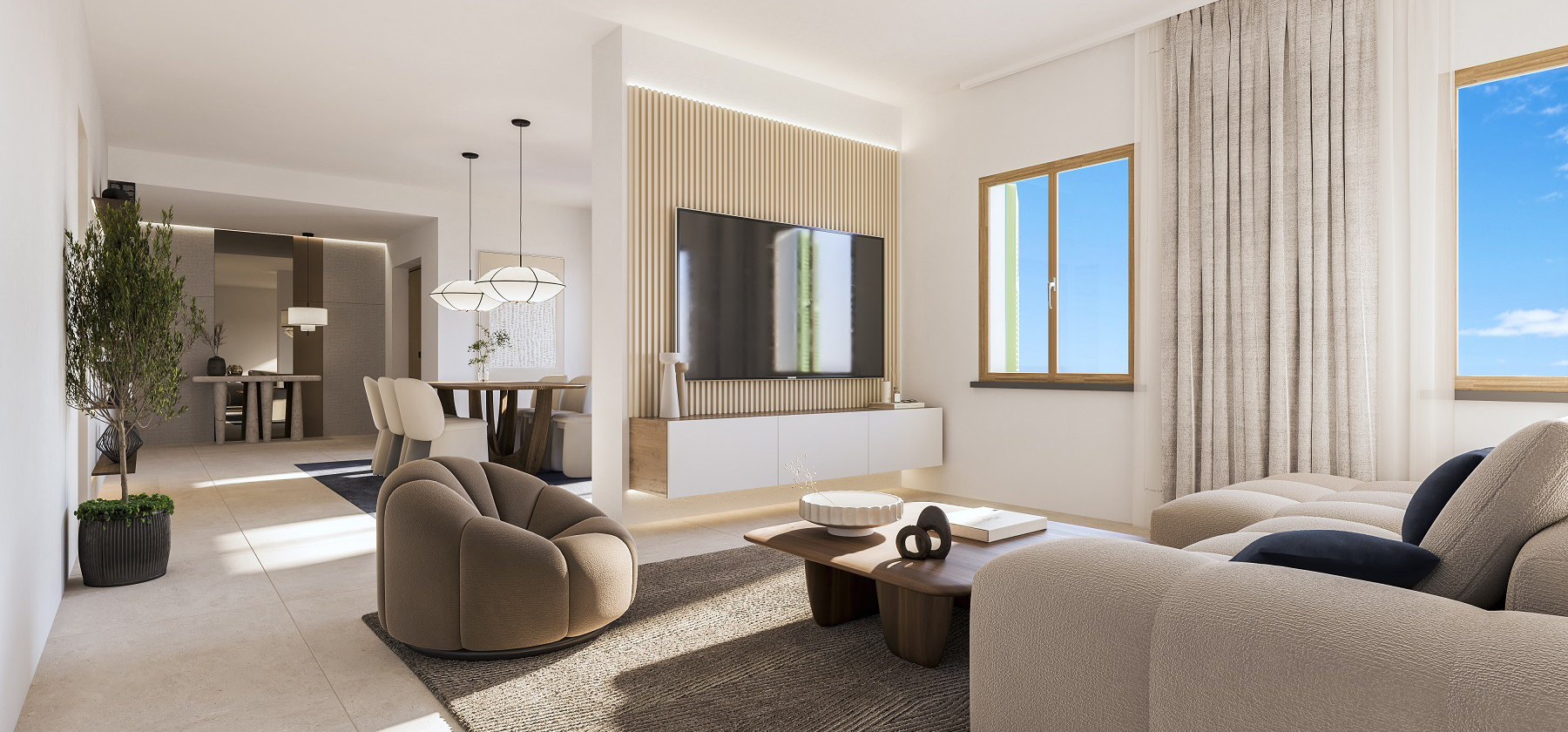
Alcudia Luz is 29 new-build villas in Alcanada, designed for year-round living. If you are thinking of staying, come and see what life here is like in any season.