Anyone buying a villa in a private development buys two things: the house, and a share of everything else —the communal garden, the pool, the roads, the gate, the security—. That second part is paid every month, and it is the thing buyers ask about least at signing. This guide explains what community fees are, what determines the amount and how to read the accounts before committing.
What the community actually is
When several homes share elements —green areas, a pool, access roads, street lighting—, the law requires an owners' association to manage them. Each owner participates through a share coefficient, fixed in the deeds, which determines their vote at meetings and their portion of every cost. In a development of similarly sized villas the coefficients tend to be alike; in one with very different houses, they are not.
What the fee usually covers
- Gardening of communal areas: pruning, irrigation, replacement of plants. In a Mediterranean climate with a low-water garden, this is a moderate item; with extensive lawns, it is not.
- Communal pool: maintenance, chemicals, filtration checks and, where regulations require it by capacity, a lifeguard in season.
- Street lighting and cleaning: electricity for the lamps and sweeping of internal roads.
- Access: maintenance of automatic gates, video entry and cameras.
- Community insurance: covers common elements and third-party liability. It does not replace your home insurance.
- Property administrator: keeps the accounts, calls the meetings and manages suppliers. A licensed professional whose fee is in the monthly charge.
- Security: the item that varies most. A development with access control and cameras costs little; one with a 24-hour guard on site can double the fee.
What it does not cover
- The IBI (property tax) on your home, which is municipal and individual.
- Your home's utilities: electricity, water, gas, internet.
- Your home insurance.
- The refuse charge, also municipal.
- Maintenance of your own pool and garden, if they are private.
For the full picture of what a second home costs to run, including these items, see real costs of maintaining a second home in Mallorca.
What the fee depends on
- The services included: a villa development with gardens, a pool, automated access and an administrator does not cost the same as a complex with concierge, gym, spa or club services.
- The type of security: access control and cameras, or a 24-hour guard on site. This is the decision that weighs most on the fee.
- The number of homes: common costs are shared among all owners; with few homes, each one carries a larger share.
- What pushes the fee up: lots of lawn, a heated pool and permanent staff.
- What brings it down: a low-irrigation Mediterranean garden, LED lighting, a reasonable number of neighbours and well-negotiated maintenance contracts.
That is why comparing fees without knowing what each one includes tells you little. Before buying, ask for the community's approved budget, the minutes of the latest meetings and the fees actually being paid: that is the only reference that counts.
The reserve fund and special levies
- Reserve fund: the law requires communities to keep a minimum reserve fund, calculated on the ordinary budget, for contingencies and works. A community without one, or with it below the minimum, is not well run.
- Special levies (derramas): when a major job —replacing the filtration plant, resurfacing the roads, repairing the perimeter wall— exceeds what is in the fund, the meeting approves an extraordinary contribution split by coefficient. A buyer inherits levies already approved and outstanding, so you must ask about them.
- The seller's debts: the buyer is liable for unpaid fees from the current year and the three previous ones. That is why the seller must provide at completion a certificate of no outstanding debts issued by the administrator. Without it, do not sign.
The five questions before buying
- 1. The accounts for the last two financial years and the budget for the current one. If actual spending exceeds the budget year after year, the fee is going up.
- 2. The minutes of the last three meetings. That is where the real problems show: damp in the wall, the neighbour who does not pay, the job that keeps being postponed.
- 3. The statutes and internal rules. They govern everything from the colour of awnings to whether holiday rentals are allowed. Since 2019 communities can restrict them by a three-fifths majority, and many in Mallorca have. If you plan to rent, this question comes first.
- 4. Approved levies and planned works.
- 5. Who the administrator is and since when. An administrator who has been there for years and answers the phone is worth more than a low fee.
The new-build case
In a newly delivered development, the community is born with the first owner. For the first months, the developer usually handles management until the association is formed and the accounts handed over. Three things are worth knowing: the initial budget is an estimate and will be adjusted in the first real year; the reserve fund starts from zero and must be built up; and the statutes drafted by the developer can later be amended by the owners. Choosing the first administrators well shapes the next ten years.
Conclusion
The community fee is neither a tax nor a toll: it is what it costs for the development to still be, ten years from now, the place you liked. Well managed, it protects the value of your home better than any renovation. Badly managed, it shows in the meetings and in the resale price. That is why the accounts are read before buying, not after. If you are still weighing a development against a standalone plot, we compare them in detached villa or private gated community.
Interested in Alcudia Luz?
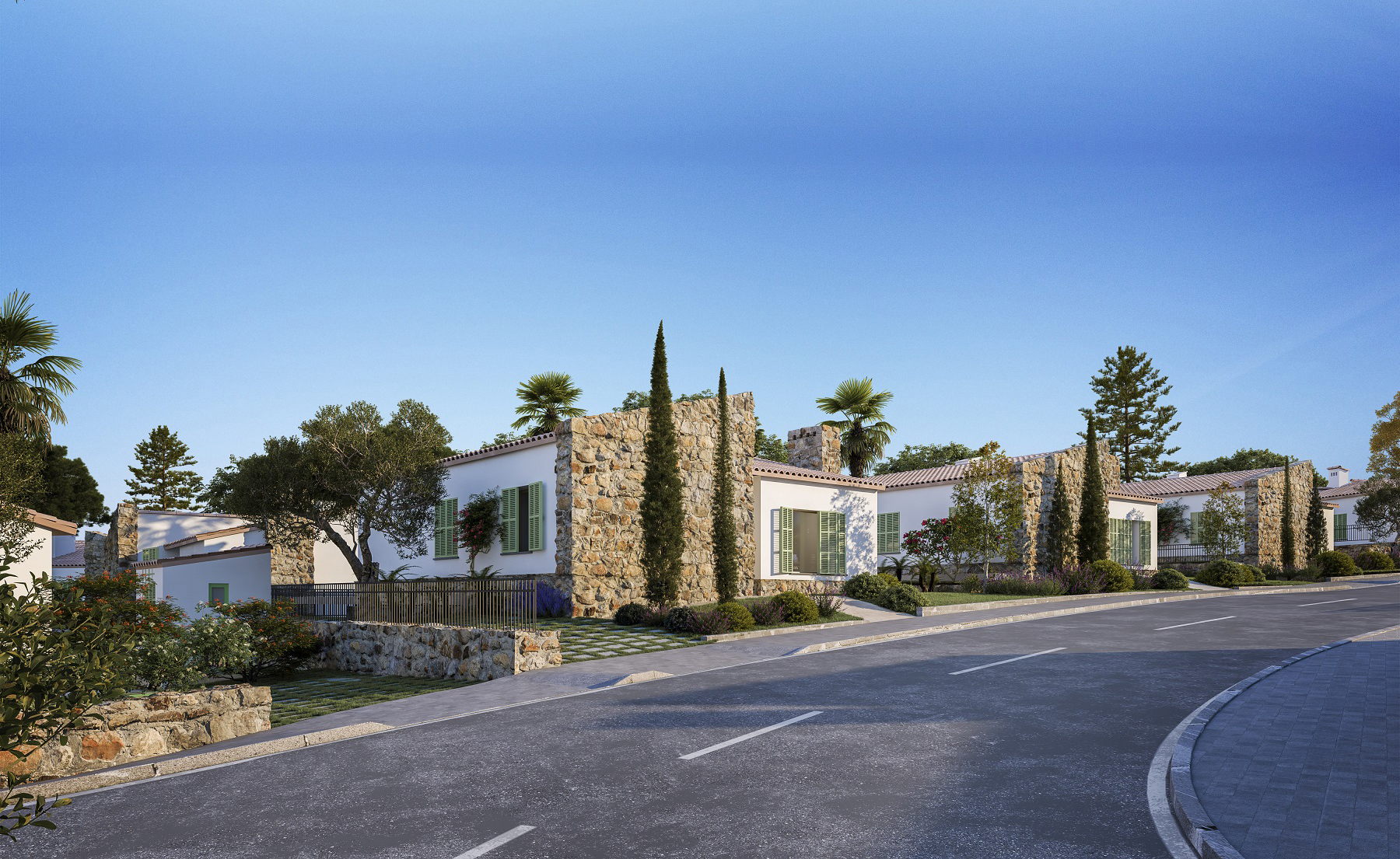
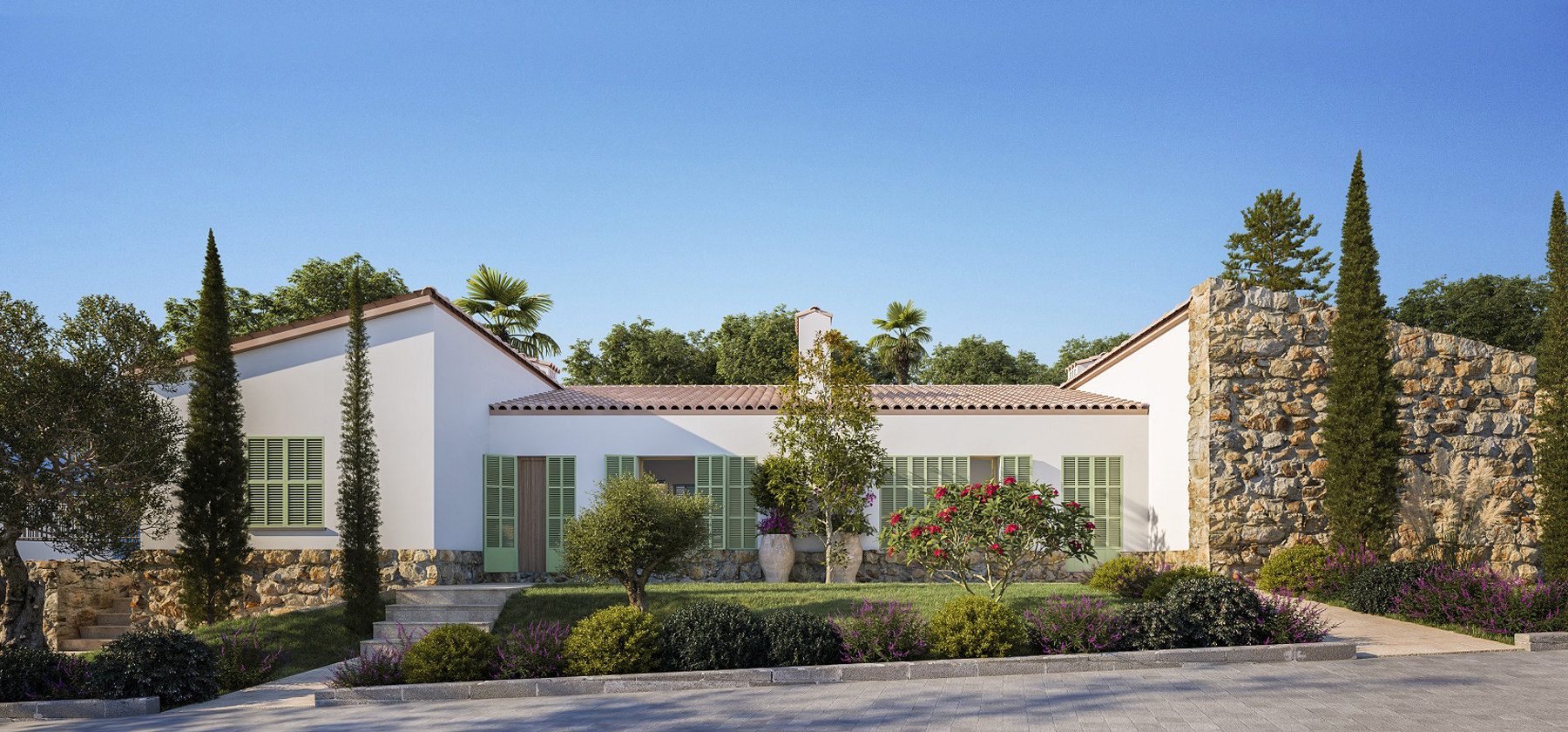
At Alcudia Luz the communal gardens were designed with low-water species and the lighting is LED: decisions you notice in the fee every month. Ask us for the projected community budget.